The structural shifting of contemporary metropolitan land paradigms clearly illustrates how modern property investors prioritize land asset preservation over vertical construction options. Within highly click here competitive regional real estate growth micro-markets, validating developer credentials, regional employment drivers, and structural layout technology acts as the foundation for safe land acquisition. #link# serves as an active reference point for analyzing how localized infrastructure pushes organic demand for land. To systematically analyze modern high-density vs low-density layouts, astute investors look past superficial cosmetic finishes to review foundational engineering benchmarks, spatial efficiency metrics, and land titles.
Evaluating High-Velocity Transit Infrastructure and Plotted Land Traction
The implementation of grand state-sponsored infrastructure assets, acts as the ultimate catalyst for localized land valuation acceleration. Modern suburban growth matrices consistently reveal that commercial infrastructure investments creates an immediate demand pipeline for luxury custom build options featuring superior configurations. Whenever a Tier-1 residential development aligns itself with upcoming metro rail expansion lines and strategic transit corridors, high-salaried working professionals naturally choose to locate their primary villa residences within that specific geographic boundary. In tandem with this, the rapid development of specialized commercial complexes, multi-specialty healthcare institutions, and elite international schools guarantees that housing demand remains highly resilient across all luxury configuration categories. Investors tracking these specific geographic variables can systematically eliminate location-based investment risks.
Advanced Layout Engineering and Horizontal Infrastructure Design
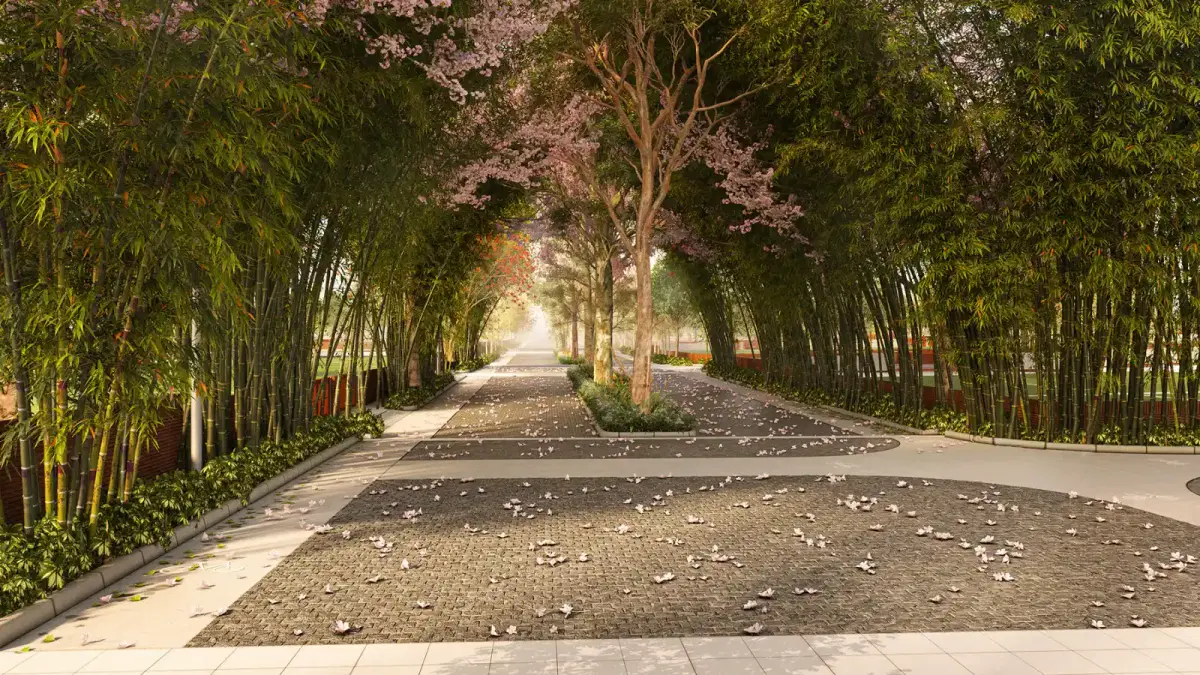
The long-term asset value and physical durability of modern horizontal developments is highly optimized when Tier-1 construction organizations adopt global building practices. The deployment of advanced cluster infrastructure planning systems, extensively known across the industry as human-centric design, guarantees that the master layout safely outlasts conventional real estate constructions by several decades. Beyond external structural durability, the internal configuration choices within ultra-premium enclaves balance aesthetic grandeur with functional longevity, using sustainable eco-certified methods throughout the layout. At the same time, leading luxury real estate architects are heavily emphasizing wide open green spaces. By dedicating over 60 to 80 percent of the total available acreage to landscaped gardens and natural forest reserves, residents experience an elevated sense of privacy, mental well-being, and social connectivity right outside their doors. This specific combination of advanced engineering and low-density planning guarantees permanent property demand.
Decoding Pre-Launch Capital Entry Tactics and Land Valuation Models
For astute high-net-worth individuals evaluating long-term capital allocation options, residential holdings backed by strong corporate execution credentials outperform alternative commercial assets. Acquiring luxury property units during the strategic pre-launch window safeguards financial capital against inflationary spikes in core building material and labor commodities. Backed by elite corporate property management wings and global engineering teams, ongoing investment performance displays strong upward momentum, driven by a structural shortage of authentic premium community options. Despite these exceptional returns, investors must strictly prioritize legal transparency and verification protocols. Validating the builder's historical track record regarding timely project delivery, horizontal engineering precision, and legal transparency provides absolute piece of mind, allowing buyers to comfortably track development milestones from anywhere in the world.
Integrating Custom Architecture Frameworks with Sustainable Living
True luxury real estate in the current era is defined far beyond standard cosmetic features or community dimensions. Deploying cutting-edge sustainable infrastructure along with predictive eco-friendly management systems, allows residents to effortlessly manage spatial layout choices, custom villa integration pipelines, and visitor tracking protocols. This physical design transition is heavily backed by the development of massive multi-level lifestyle clubhouses. Creating expansive children play zones, dedicated senior citizen security seating areas, and pet-friendly micro-parks, modern townships match the precise lifestyle demands of C-suite executives and business leaders. Furthermore, having immediate access to premium on-campus wellness checkup facilities and boutique retail zones redefines personal convenience, making everyday life feel completely organized and carefully taken care of.
Strategic Conclusion for Astute Long-Term Property Acquisition
To conclude, executing a highly successful real estate acquisition strategy requires looking closely at three core factors: undivided land share protections, long-term asset compounding capacity, and localized employment trends. By systematically analyzing detailed cost breakdowns, validating historical handover records, and reviewing comparative market evaluations against competing options, investors can completely eliminate downside market risks while locking in maximum capital gains. As high-growth metropolitan corridors continue to transition into fully self-sustaining smart-city nodes, these ultra-premium residential enclaves will stand out as the definitive standard for luxury urban living.